Request for Callback
Fill out this form to download.
The brochure will be sent to the email you provide.
=


Fill out this form to download.
Thank You!
Your request for a callback has been successfully submitted. Our team will get in touch with you shortly. We appreciate your patience and look forward to speaking with you soon.
If you have any urgent concerns, please feel free to contact us directly at
+91 9007026542 or email us at [email protected]
Thank You for Your Interest!
Your request to unlock the free demo has been successfully submitted. Please check your email for further instructions and a link to access the demo. We hope you enjoy exploring the features and capabilities of our product.
If you have any questions or need further assistance, please feel free to contact us directly at
+91 9007026542 or email us at [email protected]
The brochure has been sent to your email. Kindly check your inbox, and if it’s not there, please check your spam or junk folder.
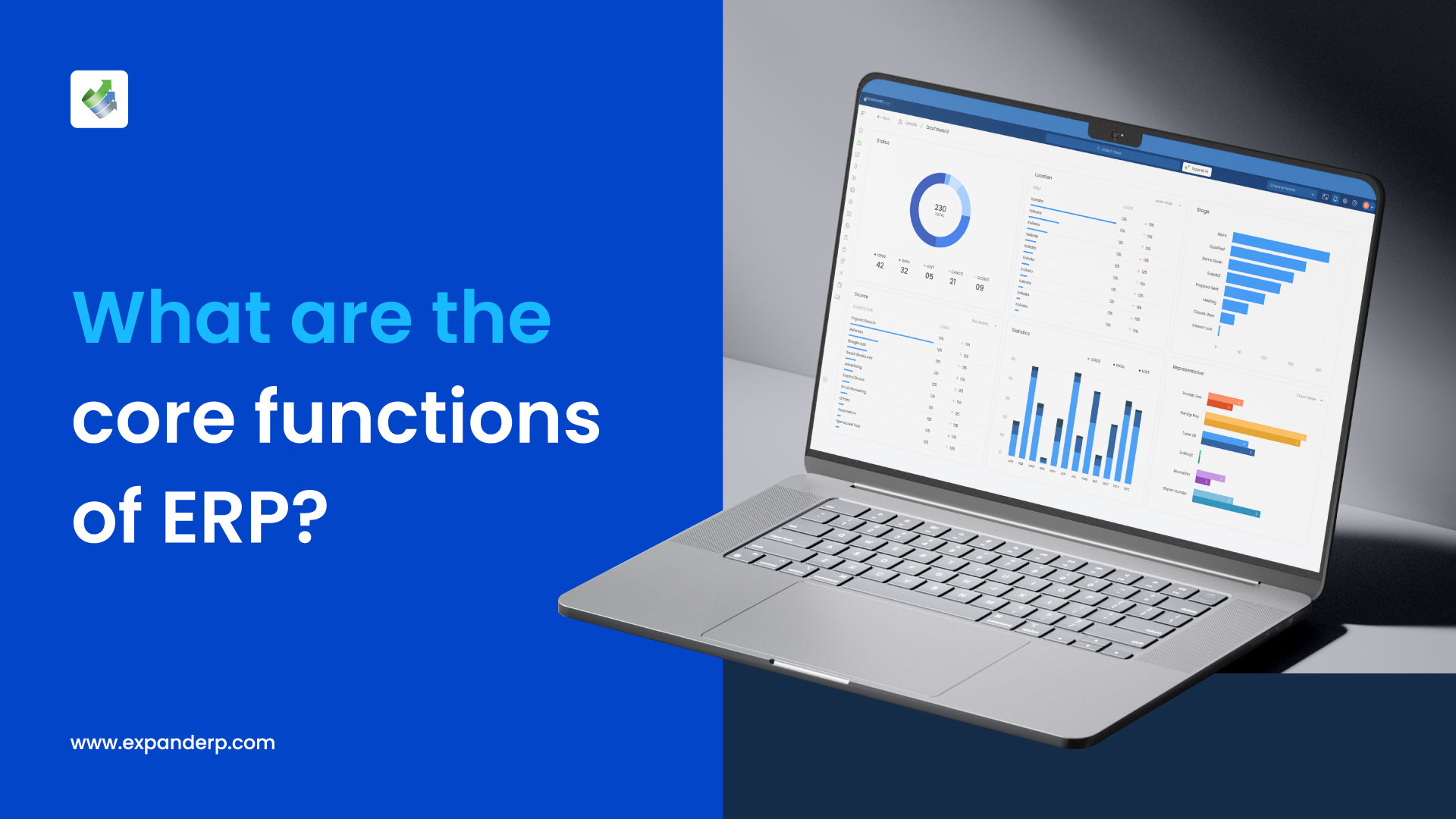
In a world where digital transformation and business agility are essential, one question emerges: How can organizations effectively monitor all their operations under one roof? The solution is found in Enterprise Resource Planning (ERP) systems. So, how do these systems actually help?
Understanding the roles of ERP is essential for any organization aiming to enhance productivity, remove inefficiencies and stay competitive in a rapidly evolving market. Let’s examine how ERP systems are changing contemporary business processes.
One of the most powerful functions of ERP is its capability to unify data from various departments. Instead of managing various disconnected systems, ERP consolidates finance, HR, operations and additional functions into a single unified platform. Access to real-time data improves decision-making, minimizes duplication and boosts organizational communication.

An effectively managed inventory system is essential for operational success. ERP systems provide one of the most significant functions of ERP which is inventory visibility and control. Regardless of whether one is monitoring raw materials, finished goods or supplier relationships, ERP facilitates precise monitoring, smart purchasing strategies and timely order fulfillment.
One of the notable functions of ERP is its ability to bridge communication gaps between different departments. It enables a smooth exchange of information among finance, sales, supply chain and customer service teams. This enhanced cooperation reduces mistakes, optimizes processes and guarantees that all individuals are using the same data.
.jpg)
Read also: Customization in ERP
Ensuring compliance and reducing risk are essential in every sector. ERP systems offer resources to monitor compliance, track adjustments and maintain audit records. A key function of ERP is assisting organizations in identifying risks early and establishing strong control measures.
ERP systems automates repetitive activities such as payroll processing, invoicing and reporting. This represents a significant function of ERP, allowing human resources to focus on more advanced tasks and minimizing manual errors. Companies that adopt automation via ERP systems frequently experience significant improvements in productivity and efficiency.

Without an ERP system, businesses may function but not optimally. The functions of ERP provide a solid base for optimizing processes, improving communication, minimizing errors and fostering growth. As digital transformation continues to evolve, having an ERP system is no longer merely a choice, it’s essential.
Hosted on Certified Data Centers for Highest Level of Data Protection and Reliability.
Data Center Certifications


Your data and financial processes are tightly controlled and audited.


Built to protect high-risk financial data.


Security, quality, and continuity follow audited systems.